
A Baton Rouge USDA appraisal does two jobs most buyers do not expect from a $0 down loan. It confirms the home is worth the purchase price, and it confirms the property meets USDA’s safe, sound, and sanitary standard. If you are buying in Ascension, Livingston, West Baton Rouge, or an eligible pocket of East Baton Rouge Parish, understanding this process before you write an offer can save you weeks of delay.
USDA financing remains one of the few true zero-down options left for eligible buyers, and it comes with more forgiving credit standards than many conventional programs. But like any government-backed loan, the tradeoff for that flexibility is a defined property standard, and a Baton Rouge USDA appraisal has to confirm the home clears it.
What a Baton Rouge USDA Appraisal Actually Checks
Every USDA appraisal has two separate jobs. First, it establishes market value the same way a conventional appraisal would. Second, it confirms the property is safe, sound, and sanitary, which is USDA’s version of the same three-part standard FHA and VA appraisers also apply.
The appraiser looks at the roof, foundation, electrical system, plumbing, heating, and any obvious signs of structural damage or water intrusion. A Baton Rouge USDA appraisal also confirms the home is a single dwelling used primarily as a residence, not a working farm or a property with a significant income-producing use, since USDA financing is meant for modest, owner-occupied homes.
Location Comes Before Condition on a Baton Rouge USDA Appraisal
Here is where USDA differs sharply from FHA or VA financing. Before condition even matters, the property has to sit inside a USDA-eligible area, and eligibility is determined address by address, not parish by parish.
In the Baton Rouge market, the more urbanized parts of East Baton Rouge Parish are generally not eligible, but many surrounding areas are. Ascension Parish communities like Prairieville and Gonzales often qualify, and large parts of Livingston Parish, including areas around Denham Springs, are commonly eligible as well. West Baton Rouge Parish has eligible pockets too. None of this is guaranteed by neighborhood name alone. A Baton Rouge USDA appraisal can only move forward once the specific address has been confirmed on the current USDA eligibility map, so that check should happen before you fall in love with a listing.
Common Issues That Show Up on a Baton Rouge USDA Appraisal
Because so much of the Baton Rouge area has older housing stock and rural or semi-rural properties, a few issues come up more often than buyers expect.
Roof condition is one of the most common flags, especially on homes with visible wear, missing shingles, or a roof nearing the end of its useful life. Electrical panels and wiring in older homes sometimes fall short of current safety standards, and a Baton Rouge USDA appraisal will note exposed wiring or outdated panels.
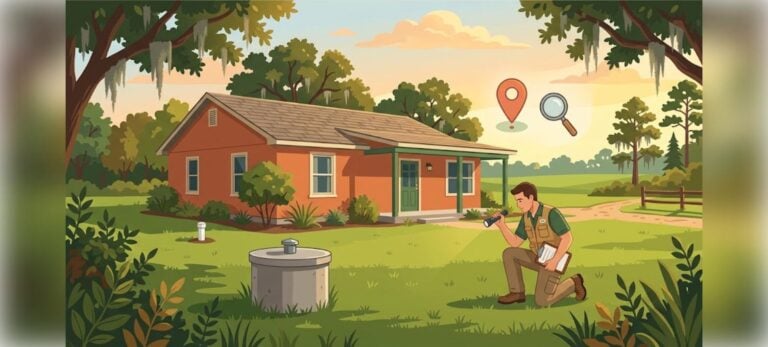
Well and septic systems are another area unique to more rural USDA properties. If the home relies on a private well or septic system instead of municipal utilities, the appraiser needs to confirm those systems are functioning and meet local health department standards. Foundation issues, drainage problems, and visible termite damage round out the list of items that most often trigger a repair requirement before closing.
How USDA Income and Property Rules Work Together
USDA loans are need-based as well as location-based, which makes a Baton Rouge USDA appraisal only one piece of the puzzle. Household income generally cannot exceed USDA’s published limits for the parish and household size, and those limits are adjusted periodically, so they should be verified for your specific household before you assume you qualify.
The property itself also has to meet USDA’s size and use standards. It needs to be modest for the area, used as your primary residence, and not designed for a business or agricultural income purpose. A Baton Rouge USDA appraisal that finds evidence of a commercial use, like a large workshop clearly set up for a business, can create eligibility questions that go beyond a simple repair.
How to Prepare for a Baton Rouge USDA Appraisal
If you already have a property under contract, a little preparation goes a long way toward a smooth appraisal. Confirm the exact address is USDA-eligible before you get too far into the process, since this cannot be fixed after the fact the way a repair item can.
Walk through the home and look for obvious roof damage, exposed wiring, or missing panel covers. If there is a well or septic system, ask the seller for any recent service records. Address visible termite damage or water staining ahead of time when possible, since these are exactly the kinds of issues that slow down closing.
What Happens If the Appraisal Finds a Problem
If the appraiser flags a repair item, the lender will typically require it to be fixed before closing, followed by a re-inspection to confirm the work was completed. This usually adds one to three weeks to the timeline, depending on the repair and contractor availability, but it rarely ends the deal outright.
Buyers and sellers can often negotiate who covers the cost of a required repair. In some cases, a seller credit is used instead of completing repairs directly. Either way, going in with a clear picture of what a Baton Rouge USDA appraisal is likely to flag puts you in a much stronger position when you write your offer.
USDA financing remains one of the most valuable tools available to eligible buyers in the Baton Rouge area, especially for those who do not have a large down payment saved. Knowing what to expect from a Baton Rouge USDA appraisal, from the eligibility map down to the septic inspection, helps you plan your timeline and your offer with fewer surprises.
For more on local eligibility, see our Baton Rouge USDA loan guide. For the official property and appraisal standard, see USDA’s Handbook 3555, Chapter 12.
Have questions about your specific property or timeline? Call or text our 24/7 mortgage prequalification hotline at 504-399-4141, or start your application anytime through our 24/7 application hotline at 504-332-0888.
Charles, Mortgage Loan Advisor with Max Mortgage, LLC. 20+ years in mortgage and real estate. NAMB Certified FHA Mortgage Professional.