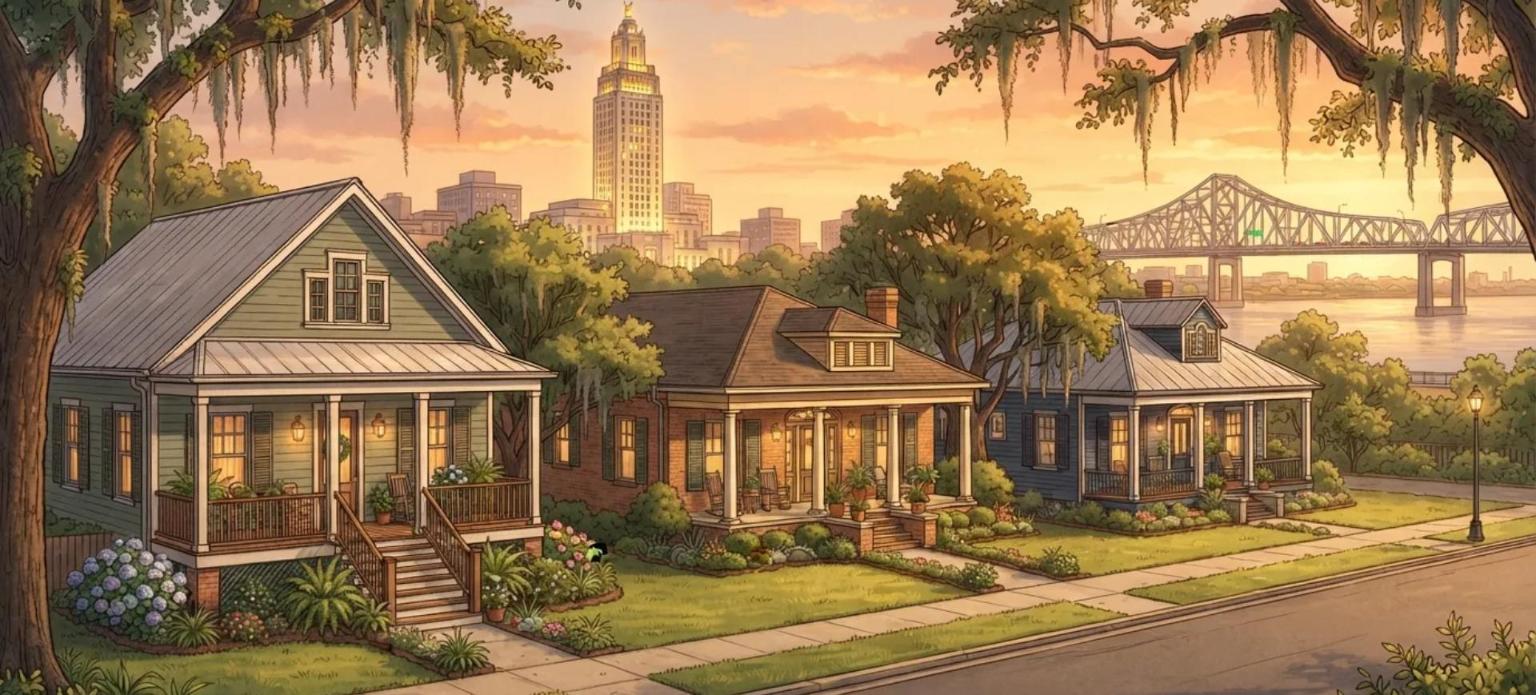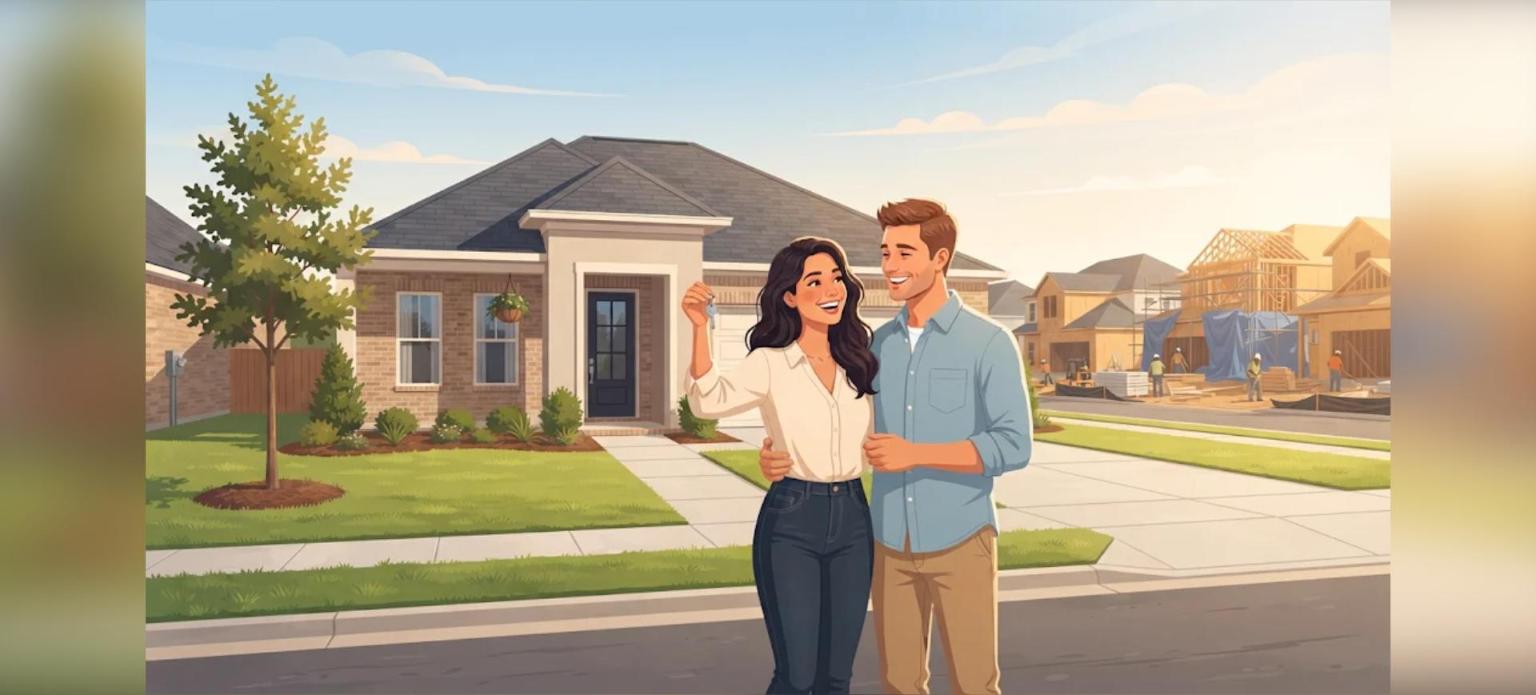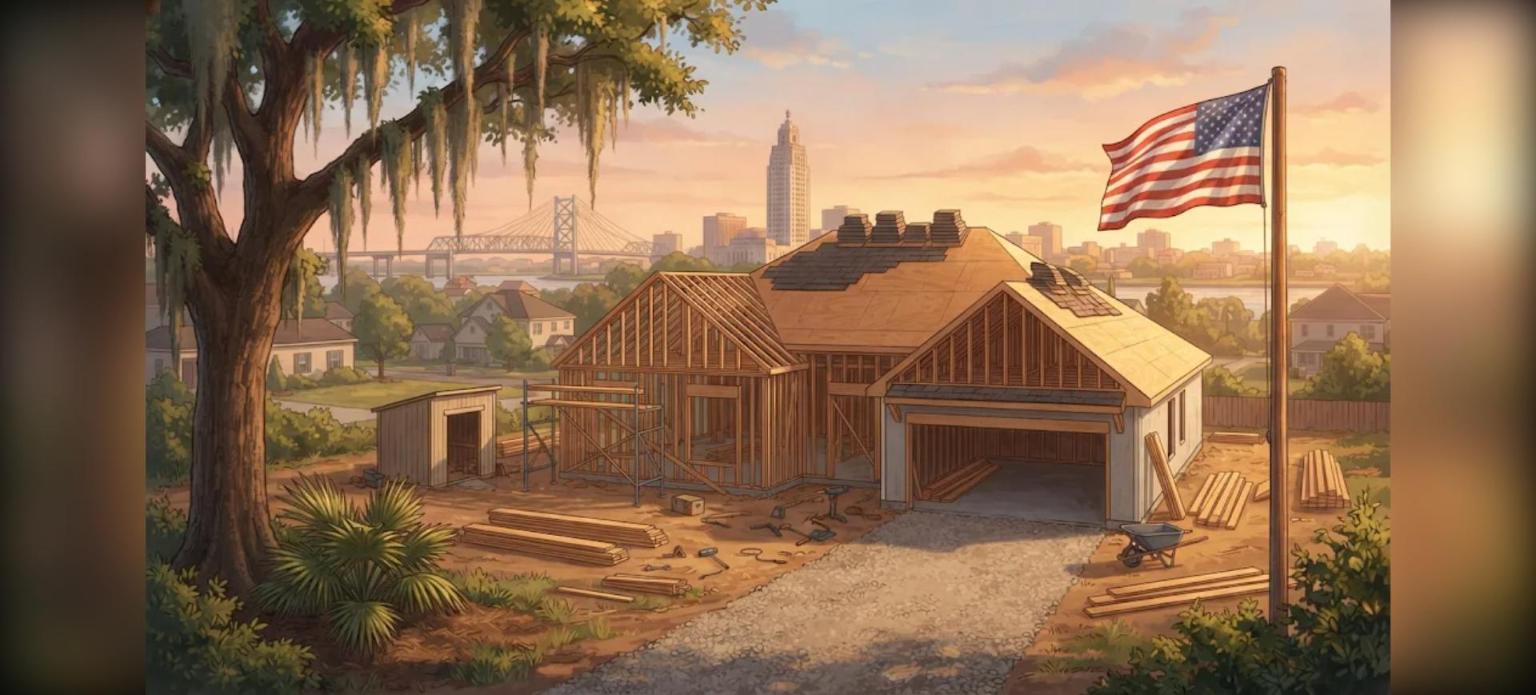


Shopping for New Orleans USDA new builds? You are not alone. A lot of first-time homebuyers around the metro are looking past older housing stock and asking whether a brand-new home in a growing subdivision can work with a USDA loan. The short answer is yes, as long as the home, the location, and your household all fit the program.
I’m Charles, and I help buyers across the New Orleans area every week. This guide covers what makes new construction different under USDA, what builders and lenders will ask for, and the questions buyers keep posting online before they sign a purchase agreement.
Why New Orleans USDA New Builds Are Getting Attention
Scroll through local Reddit threads and Facebook groups and you will see the same pattern. Buyers love the idea of no roof worries, a modern electrical system, and an energy-efficient HVAC unit. They also love that USDA financing allows qualified buyers to purchase with no down payment.
Put those two together and New Orleans USDA new builds become very appealing. Many new subdivisions sit in the Northshore and River Parish areas just outside the urban core, and some of those addresses fall inside USDA eligible areas. That is where the opportunity lives.
Step One: Confirm the Address Is USDA Eligible
USDA is a rural and suburban program, so location comes first. Orleans Parish and most of the dense parts of Jefferson Parish are not eligible. Communities farther out can be a different story.
Do not assume a subdivision qualifies just because it looks rural or because a builder ad says “USDA.” Eligibility maps are updated over time, and one street can be in while the next is out. Before you fall in love with a floor plan, run the exact lot address through the official USDA eligibility tool or ask me to check it for you.
Step Two: Make Sure Your Household Income Fits
USDA looks at total household income, not just the income of the people on the loan. If an adult child or relative living with you works, that income usually counts toward the limit, even if they are not borrowing.
This catches a lot of buyers off guard. With New Orleans USDA new builds, it is smart to sort out income eligibility before you put down an earnest money deposit or pick upgrades with the builder.
What Builders and Lenders Need for New Orleans USDA New Builds
A newly built home has extra paperwork compared with a resale home. For New Orleans USDA new builds, your lender will typically need documents showing the home was completed properly and meets current standards. Common items include:
- A certificate of occupancy or final inspection from the local building authority.
- A builder warranty covering the home after closing.
- Documentation that the home meets the required energy and building codes.
- Termite treatment or soil treatment documentation, which is standard in our climate.
- An appraisal that supports the purchase price.
Established builders who work with USDA buyers usually have this package ready. Smaller builders may need a little more lead time, so ask early. The official program handbook from USDA Rural Development lays out these requirements in detail.
Completed Homes vs. Homes Still Being Built
Most New Orleans USDA new builds are financed once the home is finished. You sign a contract, the builder completes the house, the final inspection happens, and then you close with a standard USDA guaranteed loan.
There is also a construction-to-permanent version of USDA financing, but fewer lenders offer it and it involves more moving parts. For most first-time homebuyers, buying a completed or nearly completed spec home is the simpler path. If your builder offers a move-in-ready inventory home, that can shorten your timeline a lot.
Questions Buyers Keep Asking Online
Can the builder help with closing costs?
Often, yes. USDA allows seller concessions toward eligible closing costs, and builders frequently offer incentives. Read the fine print, because some incentives only apply if you use the builder’s preferred lender. You always have the right to compare offers.
Will flood zones affect New Orleans USDA new builds?
They can. Newer subdivisions are often built to current elevation standards, but you still need to know the flood zone for the lot. If the home is in a special flood hazard area, flood insurance will be required and will affect your monthly payment. Check the map at FEMA’s Flood Map Service Center before you commit.
Do I still need an inspection on a brand-new house?
I always recommend it. A new home can still have missed details, like grading that sends water toward the slab or an attic vent that was never connected. An independent inspector works for you, not the builder, and finding issues before closing makes them easier to fix.
What about the USDA guarantee fee?
USDA loans carry an upfront guarantee fee that can usually be rolled into the loan, plus a small annual fee built into your monthly payment. These fees are generally lower than FHA mortgage insurance, which is one reason New Orleans USDA new builds can pencil out so well for qualified buyers.
A Simple Game Plan for New Orleans USDA New Builds
Here is the order I suggest to buyers who want to go the new construction route:
- Get prequalified first, so you know your price range and confirm household income eligibility.
- Shortlist subdivisions and check each lot address for USDA eligibility.
- Check flood zones and ask about insurance costs early.
- Ask the builder about USDA experience, timelines, and the documents they provide.
- Review incentives carefully and compare lender offers.
- Schedule an independent inspection and a final walkthrough before closing.
Following these steps keeps surprises to a minimum. It also means that when you find the right home, you can move quickly. If you are still weighing programs, my guide to the New Orleans USDA loan process walks through each stage from application to closing.
Common Mistakes to Avoid
The biggest mistake I see with New Orleans USDA new builds is signing a builder contract before talking to a lender. Contracts often have tight financing deadlines, and if the lot turns out to be ineligible or your household income is over the limit, you could put your deposit at risk.
Another mistake is opening new credit during the build. Financing a new couch, appliances, or a car before closing can change your debt-to-income ratio. Wait until after you have the keys.
Finally, keep your documents current. If a home takes a few months to finish, your lender will likely need updated pay stubs and bank statements before closing. Staying organized keeps New Orleans USDA new builds on schedule.
Is a New Build Right for You?
For many first-time homebuyers, New Orleans USDA new builds offer a strong mix of modern features, lower maintenance, and an affordable way into homeownership. The keys are an eligible address, an eligible household, and a builder who knows the USDA process.
If you want help checking an address or seeing what you qualify for, reach out any time. Both of my lines are answered around the clock:
- 24/7 prequalification hotline: 504-399-4141
- 24/7 application hotline: 504-332-0888
Charles, Mortgage Loan Advisor with Max Mortgage, LLC. 20+ years in mortgage and real estate. NAMB Certified FHA Mortgage Professional.