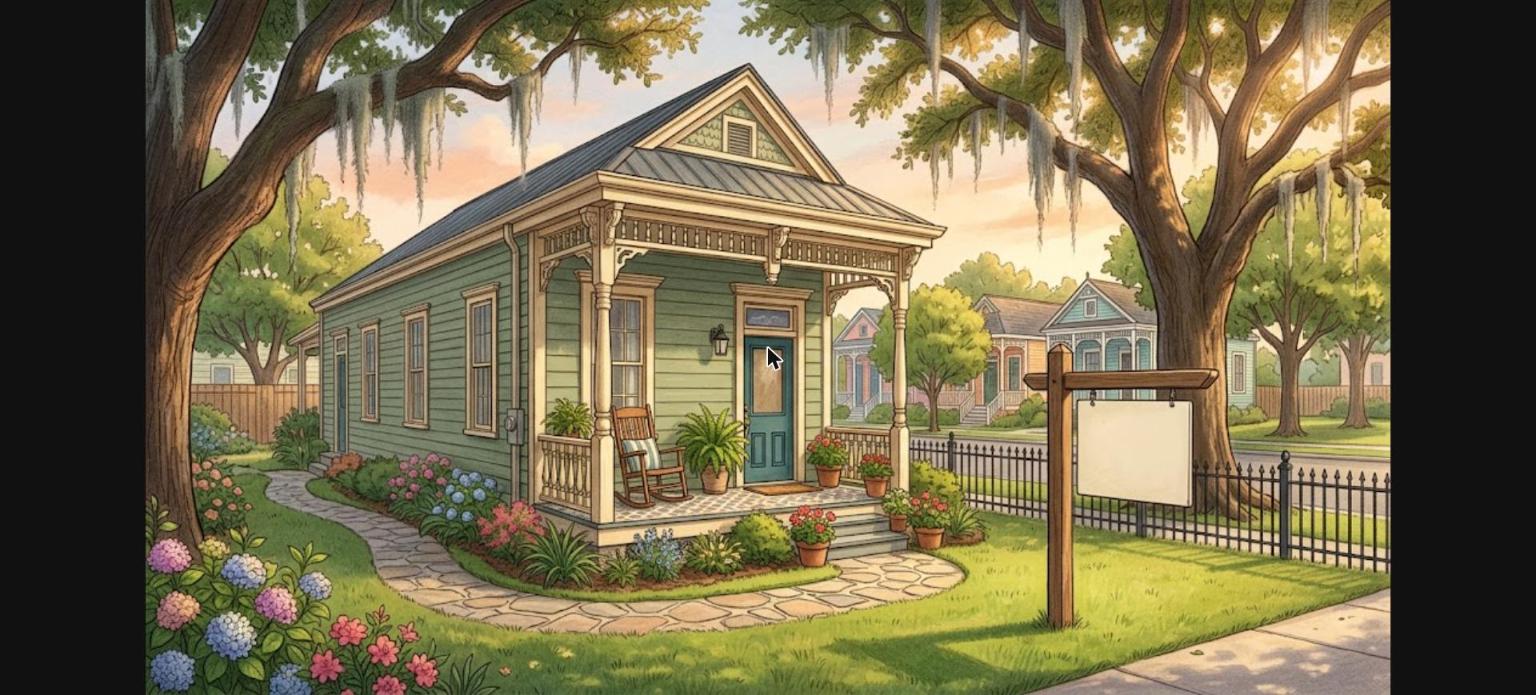


New Orleans DSCR apartment loans let real estate investors finance a 5-10 unit building based on what the property earns, not on personal tax returns or W-2 income. If you are scaling from a duplex or fourplex into a small apartment building in Orleans, Jefferson, St. Tammany, or the surrounding parishes, this guide shows how the numbers work.

This post is written for investors and first-time investors. It covers how lenders calculate the debt-service coverage ratio, what to expect on down payment and reserves, and how New Orleans market realities change the math.
How New Orleans DSCR Apartment Loans Qualify the Property
The debt-service coverage ratio, or DSCR, compares the monthly rent a building produces to its monthly debt obligations. Lenders typically divide gross rent by principal, interest, taxes, insurance, and any association dues.
A ratio of 1.00 means the rent exactly covers the payment. Many lenders look for 1.10 to 1.25 on a 5-10 unit building, though requirements vary by program and borrower profile.
That is the core appeal of New Orleans DSCR apartment loans. The property qualifies the deal, so a self-employed investor or a full-time landlord does not need to document personal income the way a conventional borrower would.
Why 5-10 Units Is Its Own Category
Once you pass four units, many conventional guidelines no longer apply. Residential programs generally stop at four units, and buildings with five or more are treated as small multifamily or commercial-style properties.
New Orleans DSCR apartment loans fill that gap. They are built for investors buying small apartment buildings, converted historic properties, and mid-size rental portfolios across the metro area.
Because New Orleans DSCR apartment loans lean on property performance, lenders look closely at the rent roll, occupancy, and expense picture. A clean, well-documented building makes the approval smoother.
Down Payment, Credit, and Reserves
Every lender sets its own terms, but investors commonly see the following ranges on New Orleans DSCR apartment loans:
- Down payment: often 20 to 30 percent on a purchase, depending on credit, experience, and building condition.
- Credit score: many programs start around 660 to 680, with better pricing at higher scores.
- Reserves: several months of principal, interest, taxes, and insurance held in liquid funds after closing.
- Loan size: programs for 5-10 unit buildings often reach into the low millions.
Plan for these numbers early. Reserves surprise many first-time investors, and they are one of the most common reasons a closing slips.
How Rent Is Calculated for a 5-10 Unit Building
For a leased building, underwriters usually use the in-place leases or a market rent appraisal, whichever is lower or more conservative. For vacant units, an appraiser may supply a market rent estimate.
Here is a simple example. Say a six-unit building in the New Orleans area rents each unit for $1,350 per month, for $8,100 in total. If the full monthly payment with taxes and insurance is $6,900, the ratio is about 1.17.
That ratio would clear many New Orleans DSCR apartment loans. If the payment were $8,500, the ratio would fall below 1.00, and you would need a larger down payment, a lower price, or a different structure.
New Orleans Costs That Move Your DSCR
Insurance and taxes can shift a ratio quickly in this market. Wind and flood coverage, older construction, and parish-level tax differences all change the payment lenders use.
- Get a real insurance quote before you write an offer, not after.
- Confirm whether the building sits in a flood zone and what coverage will cost.
- Review the current tax bill and ask whether reassessment is likely after the sale.
- Ask for trailing operating statements so you can verify expenses and vacancy.
Running the numbers first on New Orleans DSCR apartment loans protects you from buying a building that looks strong on rent but fails the ratio once true carrying costs are included.
Steps to Close on a 5-10 Unit Building
The process for New Orleans DSCR apartment loans is more predictable than many investors expect.
- Prequalify: share the target price, rents, and your reserves so you know your range before you tour buildings.
- Put the property under contract: include enough time for appraisal, inspections, and insurance quotes.
- Submit the rent roll and leases: clean documents speed up underwriting.
- Appraisal and title: the appraisal confirms value and market rent.
- Close: many investors close in an LLC, which is allowed on most DSCR programs.
Building a Portfolio Beyond New Orleans
Many investors start with one small building and add more as cash flow builds. Because New Orleans DSCR apartment loans do not depend on your personal income, your debt-to-income ratio does not cap your growth the way it does with conventional financing.
The same approach works across the wider region, including other Max Mortgage investor programs for neighboring markets. To understand the basics from another investor’s view, this BiggerPockets Q&A on DSCR loans is a useful read.
Key Takeaways for Investors
New Orleans DSCR apartment loans qualify the building by its rent, so the deal has to pencil out on its own. Know your insurance and tax numbers, hold enough reserves, and keep clean rent records.
If you are weighing New Orleans DSCR apartment loans for a 5-10 unit purchase, a short prequalification conversation can show your realistic price range and cash needed to close. Reach out any time:
- 24/7 prequalification hotline: 504-399-4141
- 24/7 application hotline: 504-332-0888
Charles, Mortgage Loan Advisor with Max Mortgage, LLC. 20+ years in mortgage and real estate. NAMB Certified FHA Mortgage Professional.
Equal Housing Opportunity. This is not a commitment to lend or extend credit. Restrictions may apply. Information and/or data is subject to change without notice. All loans are subject to credit approval. Not all loans or products are available in all states. Licensed in LA, TX, MS, AL, FL. Max Mortgage, LLC NMLS #1446745