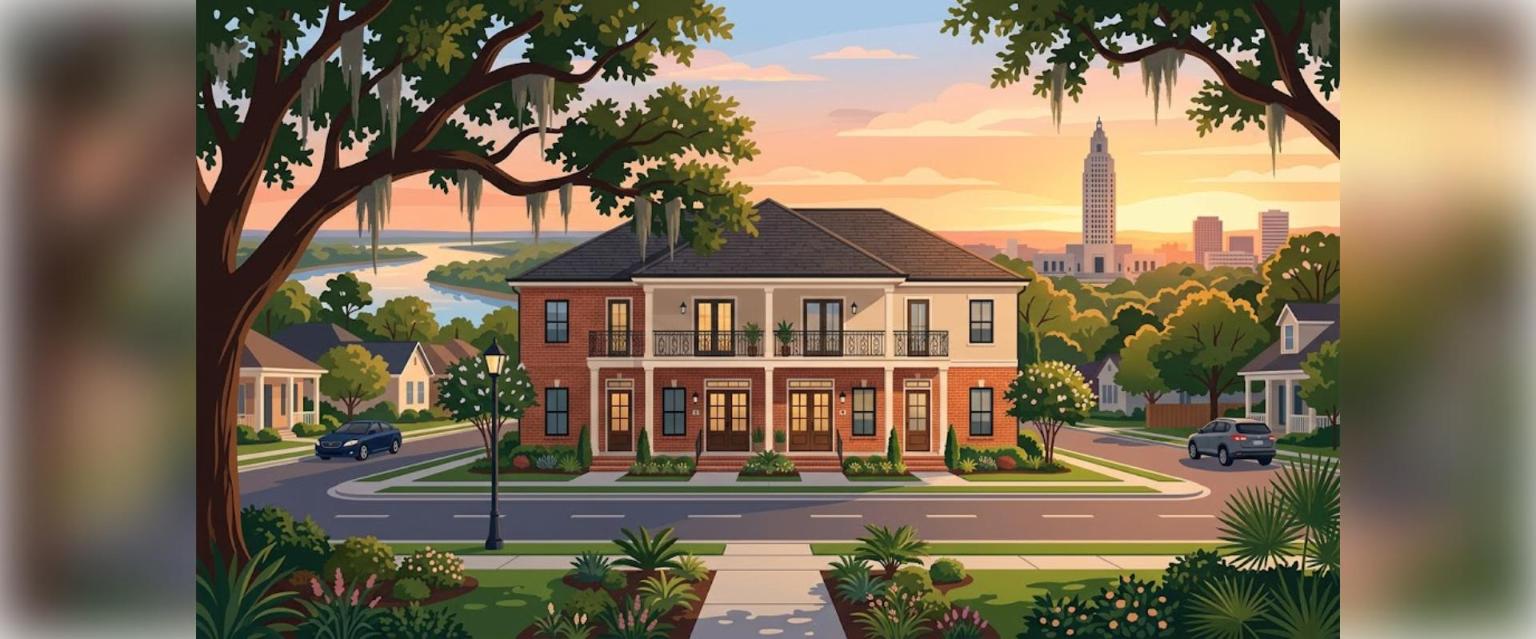

If you are house hunting in Mid-City, Bywater, Gentilly, or anywhere else inside the city, New Orleans FHA appraisal standards are one of the biggest wildcards in your purchase. Unlike a conventional appraisal, which mostly checks value, New Orleans FHA appraisal standards also check whether the home is safe, sound, and livable under HUD’s rules. In a city built mostly of shotgun houses, camelbacks, and raised-basement cottages dating back a century or more, that second layer of scrutiny catches a lot of buyers off guard.
This guide walks through exactly what New Orleans FHA appraisal standards look for, why the city’s housing stock triggers more flags than newer construction elsewhere, and what you and your seller can do to keep the deal moving instead of stalling out at the appraisal desk.
What New Orleans FHA Appraisal Standards Actually Check
New Orleans FHA appraisal standards cover two jobs at once. First, like any appraisal, the report establishes market value so the lender knows the home supports the loan amount. Second, the appraiser walks the property against HUD’s Minimum Property Standards, which exist to confirm the home is safe, structurally sound, and free of health hazards before FHA will insure the mortgage.
That second part is where New Orleans homes tend to draw extra attention. The appraiser is looking at roof condition and remaining life, foundation and pier stability (a bigger deal here than in most cities, since so many homes still sit on brick or concrete piers rather than slabs), functioning electrical and plumbing systems, and any peeling, flaking, or chipped paint.
Why Older New Orleans Homes Draw More Scrutiny
Most of the city’s housing stock predates 1978, which means New Orleans FHA appraisal standards automatically include a lead-based paint check. Appraisers are trained to look for any deteriorated paint surface, inside or outside, and if they find it, HUD requires it be repaired using lead-safe work practices before the loan can close. This single issue is the most common reason a report comes back with repair conditions attached.
Termite activity is another frequent flag. Louisiana’s climate makes wood-destroying insect damage common in older framing, and many reports require a clear termite letter before closing. Roofs are a close third: New Orleans FHA appraisal standards generally require at least two years of remaining useful life on the roof, and coastal humidity ages roofing materials faster than in drier climates.
Flood Zones And New Orleans FHA Appraisal Standards
New Orleans sits largely below sea level, and a meaningful share of the city falls inside FEMA Special Flood Hazard Areas. This does not usually change New Orleans FHA appraisal standards themselves, but it does affect what happens after: if the home is in a mapped flood zone, flood insurance becomes a required part of your loan file, and that premium gets added to your total monthly payment alongside principal, interest, taxes, and homeowners insurance. It is worth pulling the FEMA flood map for any address you are seriously considering before you write an offer, since two houses on the same block can sit in different zones with very different premiums.
How To Get Ahead Of New Orleans FHA Appraisal Standards
Buyers have more control over this process than they realize. Before you make an offer, ask your agent about the age of the roof, whether any lead paint disclosures exist, and whether the seller has a current termite bond. Once you are under contract, schedule your home inspection first and share the report with your loan advisor so nothing in the appraisal comes as a surprise.
Sellers can help their own cause too. A fresh coat of paint on peeling trim, a termite treatment and letter in hand, and basic handrail or smoke-detector fixes before the appraiser ever shows up can be the difference between clean New Orleans FHA appraisal standards results and a repair list that delays closing by weeks.
What Happens When Repairs Get Flagged
A repair condition is not the end of the deal. Most issues that show up under New Orleans FHA appraisal standards, like peeling paint, a missing handrail, or a termite letter, are inexpensive and quick to resolve. The lender will typically require proof of completed repairs, sometimes with a follow-up inspection, before funding. Negotiating who pays for the fix (buyer, seller, or split) is a normal part of the process, and an experienced loan advisor can help structure that conversation so it does not blow up the timeline.
Occasionally a property needs work beyond what a standard purchase can absorb. In those cases, buyers sometimes pair an FHA purchase with a separate renovation loan product, or simply move on to a different listing. Knowing this going in helps you shop with realistic expectations from the start.
2026 FHA Loan Numbers Every New Orleans Buyer Should Know
For 2026, the FHA loan limit for a single-family home across Orleans Parish and most surrounding Louisiana parishes is $541,287. Most lenders look for a credit score of 580 or higher to qualify for the standard 3.5% down payment, though buyers with scores as low as 500 may still qualify with 10% down. These numbers matter alongside appraisal readiness, since a home that clears New Orleans FHA appraisal standards and closes on time is worth more to a buyer than one that is a few thousand dollars cheaper but drags on for months in repair negotiations.
Working With A Local Advisor On New Orleans FHA Appraisal Standards
Every appraisal is a little different because every block in this city has a different mix of home ages, elevations, and flood designations. Working with a loan advisor who reviews New Orleans FHA appraisal standards regularly means fewer surprises and faster problem-solving when something does come up. You can learn more about how FHA financing works in this market in our New Orleans FHA loans overview, and HUD publishes the full Minimum Property Standards guidance if you want to read the underlying rules yourself.
If you are getting ready to make an offer on a home in New Orleans and want to understand how New Orleans FHA appraisal standards will apply to that specific property, reach out any time. Prequalification is available 24 hours a day at 504-399-4141, and if you are ready to move forward, you can start your application 24 hours a day at 504-332-0888.
Charles, Mortgage Loan Advisor with Max Mortgage, LLC. 20+ years in mortgage and real estate. NAMB Certified FHA Mortgage Professional.